Property Maintenance Hull: Everything You Need to Know About Preventative Care
Owning or managing property in Hull teaches you one lesson quickly: small defects do not stay small for long. A slipped roof tile, a cracked seal around a window, or a leaking gutter can look harmless in dry weather. Give it a few weeks of wind, rain, salt in the air, and changing temperatures, and that minor issue starts affecting plaster, timber, insulation, and energy bills. Preventative care is not glamorous, but it is one of the cheapest ways to protect a building and avoid disruptive repair work later.
Hull presents its own maintenance challenges. The local climate, exposure to moisture, and the age profile of many properties all increase the importance of regular inspections. Terraced housing, older brickwork, solid-wall construction, and extensions added over different decades often create weak points where water ingress, heat loss, or movement first show up. In my experience, most expensive repair jobs do not begin with a dramatic event. They begin with neglect, delayed decisions, or a simple assumption that a problem can wait until next season.
Preventative maintenance is about timing, discipline, and knowing where buildings usually fail first. Whether you are a homeowner, landlord, investor, or facilities manager, the principles stay the same. Look early, act early, and prioritise the parts of the property that keep water out, heat in, and services running safely.
What preventative care really means
Preventative care is not the same as constantly renovating a property. It is a structured approach to keeping the building envelope, internal finishes, and key systems in serviceable condition. That means inspecting roofs, walls, gutters, windows, plumbing, electrics, heating, drainage, and external hard surfaces before faults become emergencies.
A lot of owners confuse maintenance with improvement. They plan a kitchen refit, a loft conversion, or full Property Renovation Hull work, but postpone the less visible essentials. Yet a new finish never performs well if it sits on top of damp masonry, poor ventilation, or failing rainwater goods. I have seen beautifully refurbished rooms spoiled within a year because the original leak path above the ceiling was never resolved. Paint bubbled, skirting swelled, and the owner ended up paying twice, once for the renovation and again for the corrective work.
Good preventative care also depends on record keeping. Not everyone needs a formal facilities log, but even a simple dated note on when gutters were cleared, the boiler was serviced, or exterior sealant was renewed can stop a lot of guesswork. Buildings age in patterns. If one elevation takes the brunt of weather, or one flat roof outlet blocks every autumn, your maintenance plan should reflect that history.
Why Hull properties need a sharper eye
Hull’s environment can be hard on buildings. Wind-driven rain tests pointing, roof coverings, and seals around openings. Coastal influence can accelerate wear on metal components. Drainage systems have to cope with sudden heavy rainfall. Many properties in the area also include older materials and construction methods that behave differently from newer homes.
Solid-wall houses, for instance, can manage moisture well when they are maintained properly and allowed to breathe. Problems often begin when defects combine. A cracked downpipe saturates brickwork, cement-heavy patch repairs trap moisture, internal ventilation is poor, and condensation gets blamed for everything. The correct diagnosis matters because the remedy for penetrating damp is not the same as the remedy for lifestyle condensation or a plumbing leak.
Seasonal shifts create another issue. During colder months, hidden weaknesses become obvious. Boilers are under full load, loft insulation gaps show up in heating bills, and minor draughts turn into real discomfort. During warmer months, external maintenance becomes easier, but by then some damage has already been done. The best-managed properties work a season ahead. They inspect in late summer, repair in early autumn, and service heating before the first cold snap.
The parts of a property that deserve the most attention
If budgets are tight, focus first on the elements that prevent structural decay and service failure. Roofs, gutters, flashings, chimneys, external brickwork, windows, plumbing joints, and heating systems usually give the biggest return on maintenance spend. These are not always the most expensive items to inspect, but they are often the most expensive to ignore.
Take gutters as an example. Clearing a blocked run and checking brackets may cost a modest amount compared with internal redecoration. Yet neglected gutters can cause overflowing water to soak walls repeatedly, stain masonry, rot fascia boards, and push damp into upper rooms. I once looked at a house where the owner had spent several thousand pounds redecorating a bay window room three times in four years. The real cause was a gutter union leaking directly above the brick arch. The repair to the gutter was simple. The accumulated damage inside was not.
Roofs deserve the same respect. A single slipped tile on a sheltered roof might not cause immediate damage. On an exposed elevation in Hull, it can admit enough water to affect felt, battens, and ceiling finishes surprisingly quickly. Flat roofs need a different kind of vigilance. The issue is not always obvious failure. More often it is standing water, deteriorated edge trims, open laps, or blocked outlets. None of those sound dramatic. All of them shorten the roof’s life.
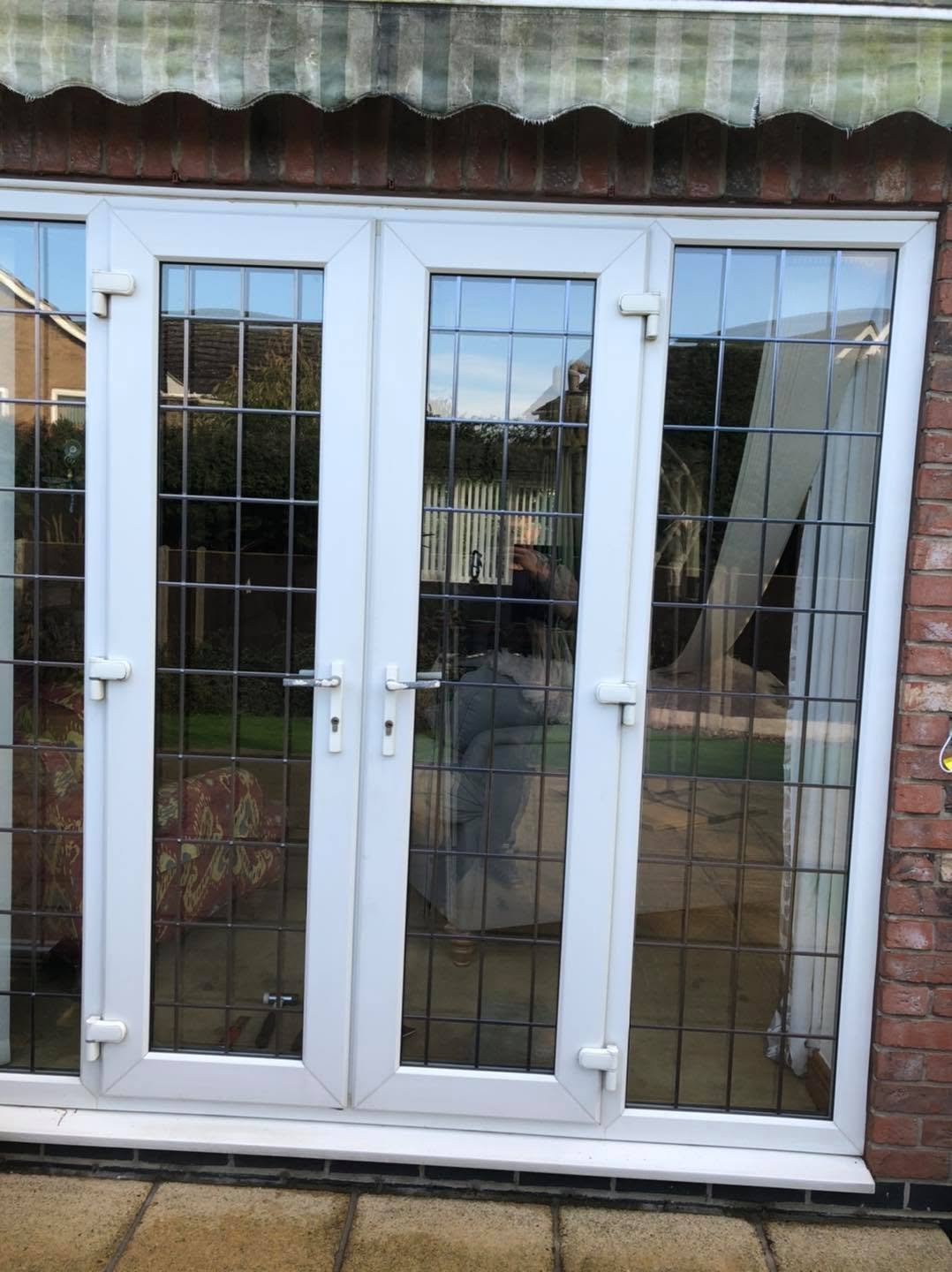
Windows and doors also sit high on the list, particularly where older timber frames or first-generation double glazing are involved. Failed seals, brittle mastics, and flaking paint allow moisture to reach places it should not. Even modern uPVC units need checking. Hinges go out of alignment, trickle vents clog, and perimeter seals shrink over time.
Damp is rarely just “damp”
One of the most common and costly mistakes in property maintenance is treating damp as a single problem. It is not. Damp is a symptom, and the source has to be understood before money is spent.
Penetrating damp tends to come from the outside in. You may see isolated patches after heavy rain, staining around chimney breasts, or moisture concentrated on one wall. Condensation behaves differently. It usually appears on colder surfaces, in corners, behind furniture, on window reveals, or in bathrooms and kitchens with poor extraction. Plumbing leaks often create more localised damage and can be harder to spot until floors soften or ceilings stain.
A decent inspection should consider occupancy patterns as well as building defects. A vacant property behaves differently from a busy family home. Likewise, a rental with drying clothes indoors and underused extractor fans can show condensation even when the building fabric is basically sound. Judgment matters here. The answer might be improved ventilation, or it might be repointing, roof work, and a new bathroom fan. Sometimes it is both.
This is one area where bringing in the right General Contractor or specialist pays off. Not every contractor diagnoses moisture problems well. A reliable professional should look at the whole picture, not rush to sell a single remedy.
Heating, plumbing, and the cost of delayed servicing
Mechanical and plumbing systems rarely fail at a convenient time. Boilers seem to break down on the coldest week of the year. Pipework starts leaking during holidays or after a vacant period. Stopcocks seize precisely when you need them most.
An annual boiler service is one of the most straightforward pieces of preventative maintenance, but it is often skipped because the system “seems fine.” What owners do not see is gradual efficiency loss, wear on components, sludge in the system, or pressure issues that could have been addressed before they caused a breakdown. For landlords, neglected servicing brings legal and tenant-relations risks as well as financial ones.
Plumbing checks should not stop at visible taps and radiators. Look under sinks, behind washing machines, around toilet pan connectors, and at any signs of staining near ceilings below bathrooms. Slow leaks can run for months. By the time a patch appears downstairs, chipboard flooring, joists, and insulation may already be affected. Water takes odd paths. The stain is not always directly below the fault.
I often advise owners to test isolation valves and locate the main shut-off before there is any emergency. It sounds basic, but many people discover too late that the stop tap is stiff, buried behind stored items, or unknown to the tenant.
Exterior maintenance is where a lot of money is saved
People naturally focus on what they can see inside every day. Yet the outside of the building usually tells the real story first. Cracked render, open joints, spalled brick faces, loose copings, deteriorated pointing, and vegetation growth all deserve attention. None automatically mean major structural trouble, but each can become a route for water ingress.
Masonry repair is a good example of where cheap work often becomes expensive work. Repointing should match the building. On older properties, using a mortar that is too hard can trap moisture and stress surrounding brickwork. It may look neat on day one and still be the wrong repair. The same applies to coatings and sealants. Not every “waterproof” product is suitable for every wall. A building needs repairs that work with its construction, not against it.
This is also why maintenance and Property Renovation Hull projects should be coordinated. If you are planning to remodel an interior, upgrade windows, or add insulation, inspect the external fabric first. Renovation succeeds when the shell of the building is stable and dry.
A practical rhythm for the year
You do not need an elaborate program to stay ahead, but you do need consistency. Most properties benefit from a simple annual cycle that matches weather patterns and likely wear points.
- Spring is the time to check for winter damage, inspect roofs from ground level or by safe access, look for slipped coverings, clear gutters if needed, and examine brickwork, render, and external joinery.
- Summer is ideal for exterior repairs, repainting timber, renewing sealants, repointing small areas, and dealing with drainage issues while conditions are drier.
- Autumn should focus on leaf clearance, gutter testing, boiler servicing, heating checks, loft inspection, and making sure extract fans work before the colder months.
- Winter is when you monitor performance, watch for condensation, address draughts, and respond quickly to any signs of leaks, frozen pipe risks, or heating faults.
That schedule can be adapted for flats, commercial units, student lets, or long-vacant buildings, but the principle remains steady. You inspect before failure, not after.
What landlords and portfolio owners should handle differently
Rental properties need tighter systems because wear tends to be less predictable and reporting is often delayed. Tenants do not always flag small issues quickly. Some are understandably reluctant to bother the landlord. Others assume a patch of mould is just cosmetic, when in fact an extractor has failed or a leak is developing.
The best landlords make reporting easy and act before complaints escalate. They also distinguish between responsive repairs and planned maintenance. Waiting for a tenant to mention a loose tile or dripping overflow pipe is not a strategy. It is a risk.
For managed portfolios in Hull, I generally recommend planned inspections at tenancy changeover and periodic mid-term checks, especially for older stock. Empty periods are useful opportunities to inspect behind appliances, test fans, review silicone in wet areas, and look for minor defects that are easy to fix before a new tenancy begins. A small investment between lets often prevents a larger reactive repair in the middle of winter.
When to call a professional, and when not to delay
Some maintenance tasks are reasonable for an owner to manage, provided access is safe and the issue is minor. Replacing sealant around a bath, keeping air bricks clear, checking loft insulation depth, or monitoring a crack for movement can all be sensible. Beyond that, judgment should be conservative.
Roof access, electrical work, gas appliances, signs of structural movement, persistent damp, and drainage problems need the right expertise. The cost of getting it wrong is usually higher than the cost of a proper inspection. More importantly, the wrong repair can hide the problem for a while and make the final fix more involved.
A good General Contractor is especially useful when several trades overlap. If a leak has affected roofing, plaster, decoration, and perhaps timber, you want someone who can sequence the work properly. That includes making sure the source is fixed first, the area dries adequately, and only then are internal finishes reinstated. Too many repair jobs fail because people rush straight to making things look good again.
Signs that should move to the top of the list
Some defects can wait a few weeks while estimates are gathered. Others should be escalated quickly because they tend to deteriorate fast or create safety concerns.
- Water entering the property, whether from the roof, windows, plumbing, or overflowing gutters
- Boiler faults, loss of heating in cold weather, or pressure drops that repeat
- Electrical issues such as tripping circuits, overheating fittings, or signs of moisture near electrics
- Cracks that widen, doors that suddenly stick, or obvious movement around openings
- Persistent mould growth despite normal cleaning and ventilation
Those are not always catastrophic, but they justify prompt investigation. Delay is what turns them into major claims and larger invoices.
Budgeting for maintenance without guessing
One of the hardest parts of preventative care is that it competes with visible spending. People are happier funding a new bathroom than replacing tired flashings, even though the latter may matter more to the building. The answer is to treat maintenance as a standing operating cost, not an optional extra.
For a typical house, annual spend can vary widely depending on age, condition, and whether major elements are nearing the end of their life. A newer home with good records may need only modest routine servicing and inspections. An older property with patchwork repairs, aging windows, and deferred external work will need more. The useful habit is to build a reserve rather than assume every year will be quiet.
There is also a difference between maintenance and lifecycle replacement. Repainting external timber is maintenance. Replacing rotten sash components after years of missed upkeep drifts into capital repair. Servicing a boiler is maintenance. Replacing a failed unit after repeated warning signs is replacement. The better the maintenance discipline, the more control you keep over timing, and timing affects price. Planned works are nearly always cheaper than emergency works.
The link between preventative care and property value
People often think about maintenance as a cost centre, but buyers, surveyors, lenders, tenants, and insurers all read the condition of a property as a signal. A house with sound rainwater goods, dry walls, a service history, and tidy external upkeep feels lower risk. A building with staining, cracked sealant, blocked gullies, and tired paintwork suggests unseen problems, even if the owner insists everything is fine.
That matters if you plan to refinance, sell, or undertake larger Property Renovation Hull works later. Properties that have been maintained properly are easier to improve because the hidden basics are already under control. Builders can get on with the renovation rather than spending the first weeks uncovering avoidable defects.
Preventative care also protects the comfort of the people using the building. It keeps energy waste down, reduces callouts, lowers the chance of mould or damp-related complaints, and limits disruption. Those outcomes are less dramatic than a full refurbishment reveal, but over the life of a property they are often more valuable.
The mindset that saves the most money
The owners who manage buildings best are not the ones who obsess over every cosmetic flaw. They are the ones who develop a calm, practical habit of noticing and acting. They know which crack has been stable for years and which stain appeared after the last storm. They keep receipts, ask sensible questions, and do not postpone weatherproofing work because it is less exciting than new finishes.
That mindset becomes especially important in Hull, where the environment does not forgive neglect for long. Property Maintenance Hull is not just about fixing things when they break. It is about understanding how local conditions, building age, and occupancy patterns interact, then putting the right maintenance in place before defects spread.
If you Property Renovation Hull approach preventative care with that level of discipline, the benefits compound. Fewer emergencies. Better control over spending. More reliable contractors because work can be scheduled properly. A drier, safer, more efficient property. Over time, that is what good maintenance really looks like, not perfection, just smart intervention at the right moment.
CHM Yorkshire Ltd
Hull
HU9 5BU
Tel: 01482 455159
Website: https://www.chmyorkshireltd.co.uk